Reading and Writing
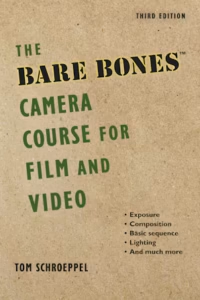 Book: The Bare Bones Camera Course for Film and Video (Third Edition)
Chapter 8: Sound
Bad audio can ruin even the best video or podcast. In Chapter 8 of The Bare Bones Camera Course for Film and Video, Tom Schroeppel reminds us that sound is never just an afterthought. It is half of your storytelling power, shaping how your audience feels and reacts.
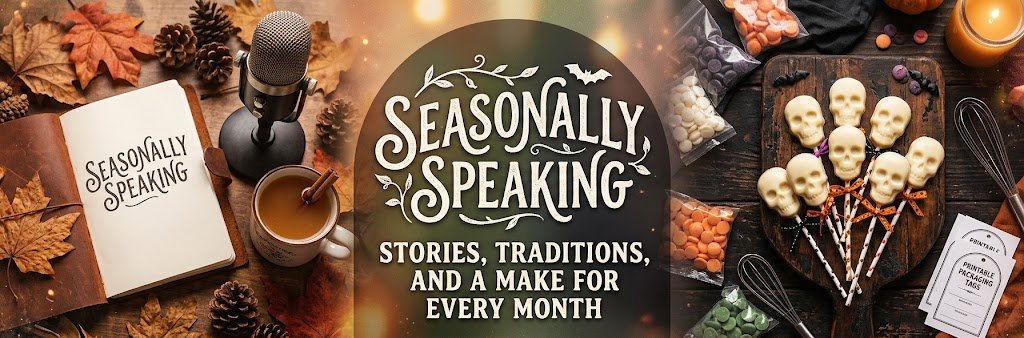
To bring that professional audio mindset into your podcast, the team at The Podcast Host recommends ditching stiff, robotic word-for-word scripts and using an invisible script instead. By organizing your show with simple bullet points, writing the way you actually talk, and practicing good posture and breathing, your delivery stays natural and conversational. When you combine Schroeppel’s focus on clean audio design with a punchy hook, a clear tagline like “Stories, Traditions, and a Make for Every Month,” and confident presentation skills, the technical gear fades away and your audience gets completely hooked on your story.
Research to Inform
Radiolab is the ultimate example of great sound design. The show starts with the hosts having a casual conversation to get you interested in the topic. From there, it jumps straight into realistic background sounds, sudden sound effects that highlight big moments, and background music that changes to match the emotion of the story. Instead of just listing facts, they make you feel like you are right in the middle of the action by layering voices and crisp sounds that bring big ideas to life like a movie.
Serial completely changed how podcasts tell stories by making real-life reporting feel like a mystery novel. The host, Sarah Koenig, talks directly to you like a friend, while a subtle, spooky music theme plays in the background. Each episode starts by hooking your attention with a confusing timeline of events. Then, it slowly uncovers the mystery using real prison phone calls, courtroom audio, and quiet pauses. Every transition adds excitement and keeps you hooked without feeling rushed.
Create
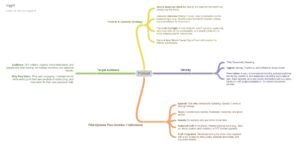
Mind Map.