Reading and Writing

Book: Animated Storytelling
Simple Steps for Creating Animation & Motion Graphics by Liz Blazer (Second Edition)
Chapter 5: Color Sense This chapter is about using color to tell your story, not just to make it look pretty. It teaches you how to pick a “color script” that matches the mood of your animation. For example, you can use bright colors when a character is happy or dark, “muddy” colors to show a villain is near. By picking colors on purpose, you help the audience understand how they should feel in every scene.
Chapter 6: Weird Science This chapter encourages you to play and try “weird” new ideas. Instead of telling a story in a straight line from start to finish, you can try things like loops or puzzles that the audience has to figure out. It also suggests using real-world materials like paper, glass, or yarn—to give your animation a unique, hands-on feel that looks different from everything else.
Here is how I used these concepts in my video:
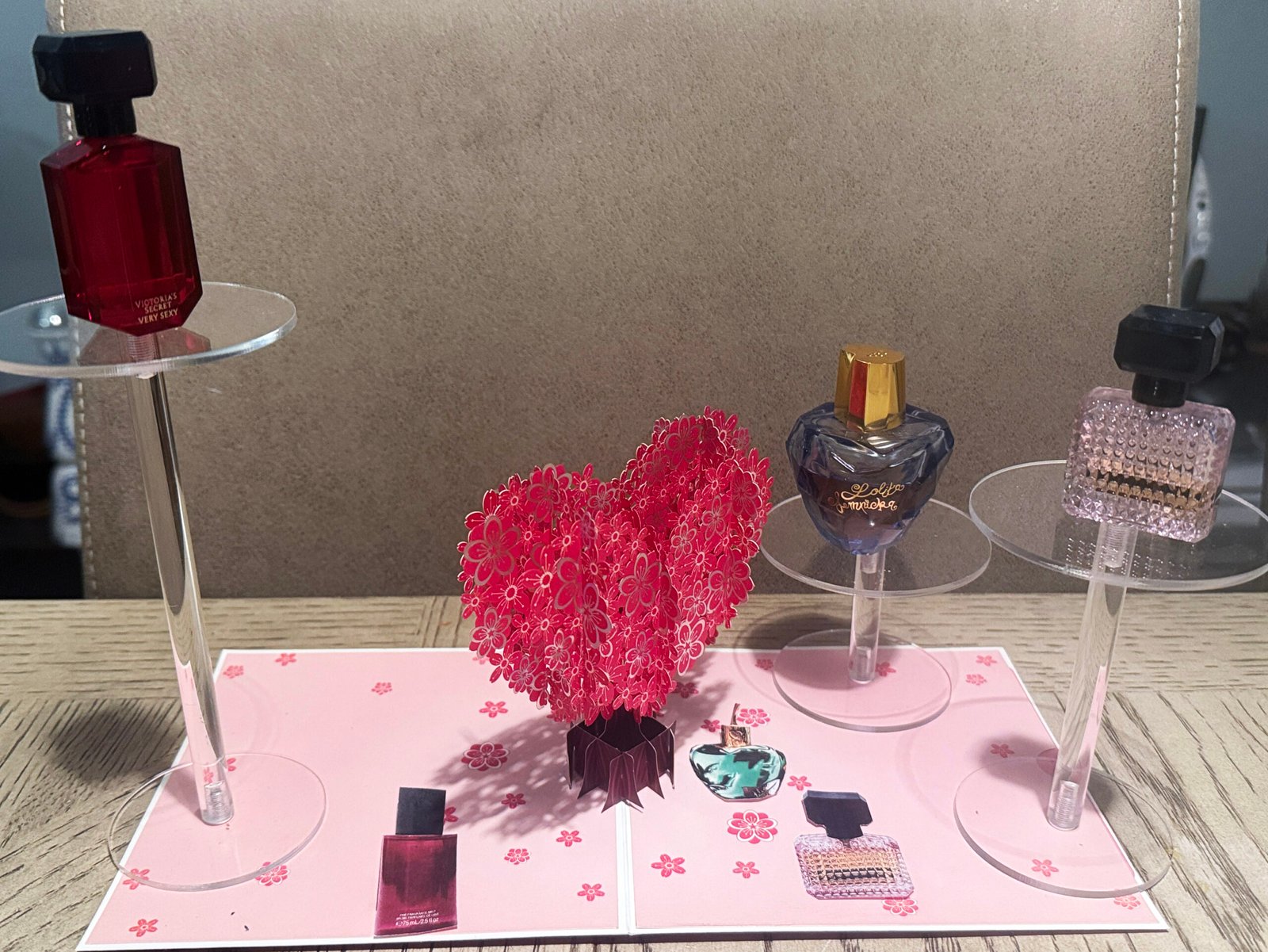
In both animations, linear and nonlinear I used Color to help the audience understand the story immediately. The pretty pinks and golds, represent the heroes (Redd & Chic), while the ugly greens and muddy browns represent the villain (Stinky). This follows Liz Blazer’s rule of using color to define characters.
In my non linear stop motion animation I used the Puzzle Format specifically mentioned in the book. Instead of starting at the beginning, I start at the end, the crime scene, and jump around in time. This forces the audience to solve the story, making it more engaging than a standard video.
Research to Inform
Why This Project Inspires Me
Perfect for seeing how tiny, tactile objects can feel “alive” in a real-world setting.
http://www.shortoftheweek.com/2009/07/15/western-spaghetti
Why This Project Inspires Me
This is the ultimate example of the “Weird Science” chapter. It shows how to use things like rubber bands and beads to represent other things creatively.
Why This Project Inspires Me
The animation style is intentionally snappy and rhythmic. It doesn’t try to look like a smooth animation; it embraces the stop-motion jitter.
Why This Project Inspires Me
This project proves that using non-traditional objects makes the story feel more personal and high-effort than a standard digital ad. It uses everyday, real-world materials like paper, felt, and physical objects to build a dream world.
Why This Project Inspires Me
This video uses everyday objects to tell a story through movement and personality. The objects behave with a sense of humor. Each movement in the video is intentional, showing how you can use simple objects to create a high-energy, engaging story within a short timeframe.
My Creative Process – Linear and Non-linear stop motion animation storyboards and creative briefs
My creative process is all about making smart, intentional choices to tell a story without using character voices. First, I use color to help the audience understand the vibes, using pretty pinks and reds for the heroes and stinky greens for the villain so the struggle is clear right away. Next, I use weird science by picking real-life objects, like yarn and beads, to act as special effects. This gives it a hand-made feel that looks much more special than a computer drawing. Finally, I experiment with how the story is told, either as a straight-forward adventure or as a puzzle mystery where the viewer has to play detective. By planning all of this out before you even touch the camera, you are turning simple perfume bottles into real characters with a life of their own.
Here is a link to my stop motion animation video.